




- HOME
- >
- News
- >
- Industry news
Types and working principles of sweepers
2026-04-21 14:04Sweeping trucks are highly efficient equipment in the modern cleaning industry. Their core working principle involves using a mechanical structure to collect debris from the ground into a built-in dustbin, achieving rapid cleaning. During operation, the sweeping brushes rotate at high speed, sweeping scattered debris to the center of the machine, where a suction device then sucks it into the dustbin. Some models also feature a spray function to reduce dust during cleaning, balancing cleaning effectiveness with environmental friendliness.
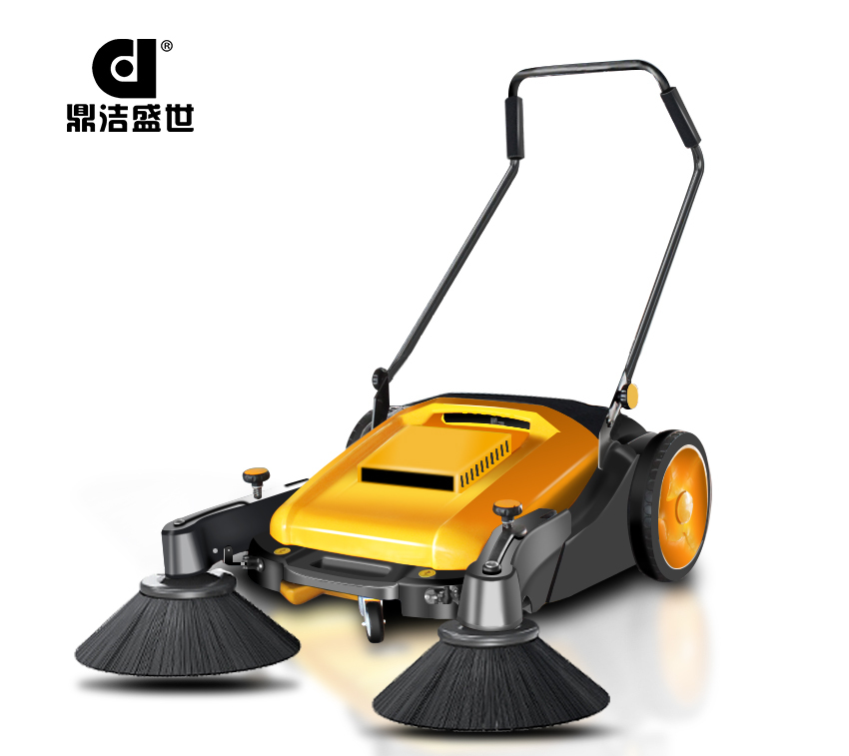
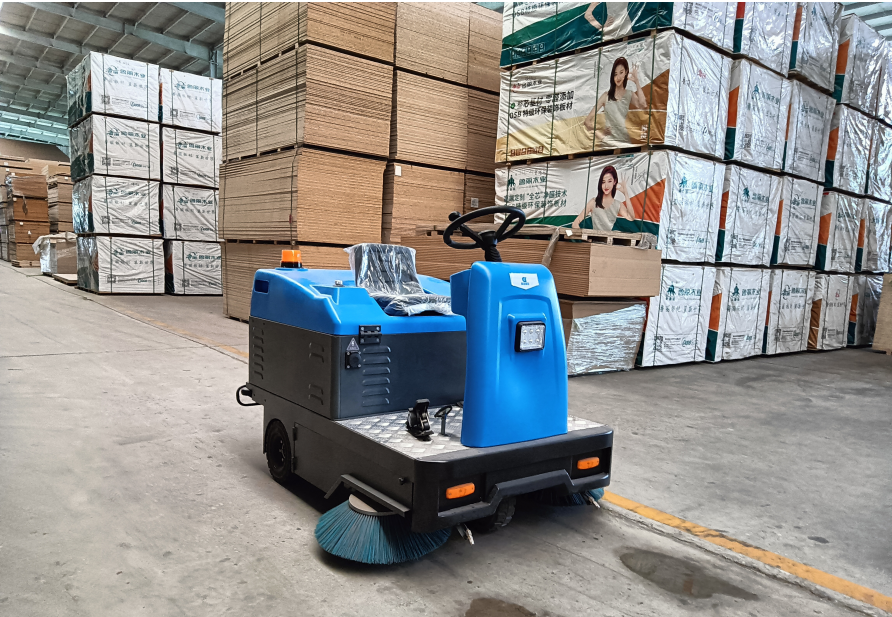
Based on usage scenarios and operating methods, sweeping trucks are mainly divided into two categories: push-type and ride-on type. Push-type sweeping trucks require no additional power; they operate by manual pushing. Their compact and flexible size makes them easy to use in narrow areas, and their lack of power consumption makes them more environmentally friendly. They are especially suitable for cleaning fine, lightweight debris such as dust, flour, and grime, and are commonly found in offices, small workshops, and corridors.
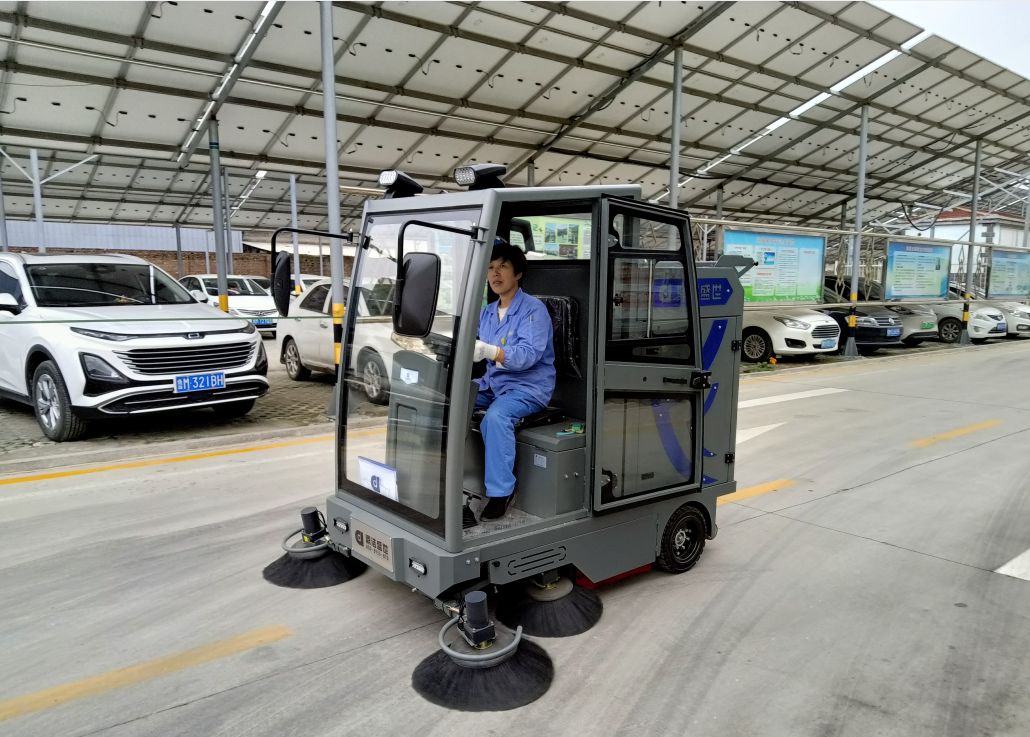
Ride-on sweeping trucks are simple to operate; the operator only needs to drive the vehicle to complete the cleaning, making them far more efficient than push-type sweeping trucks. With its larger body and stronger power, it is suitable for cleaning various types of garbage such as dust, stones, bricks, fallen leaves and processing waste. It is widely used in large areas such as factory areas, residential roads, parks and squares, which greatly saves labor costs and improves cleaning efficiency.